In SMEs, often, the administrative function often operates within a limited scope, focusing on tasks such as tax deadlines, payments, reconciliations and reporting. While this scope is necessary, it is often too narrow.
For the administrative function to contribute fully to business management, a broader perspective is required, extending to operational functions, the colleagues who deal with customers and suppliers daily, and the company's actual dynamics. This does not mean doing others' jobs, but rather understanding them well enough to provide effective support through appropriate services.
Starting with people. Improving the administrative function does not begin with processes. It begins with the professional growth of the people who make up the team.
Helping administrative staff understand what really happens in operational functions, such as how a sales proposal is created, the friction that arises with suppliers or the issues that hold up a delivery, is an investment that pays off directly. A person with this level of understanding can spot problems sooner, propose better-suited solutions, and become a credible point of contact for colleagues across the entire company.
Formal training courses are not necessary. Often, structured discussion, short-term job rotations or simply dedicating time to listening to those who serve customers and drive revenue growth is all that is needed.
The shared calendar is a simple tool with profound effects.
One of the most effective practical changes, yet one that is too rarely adopted, is using a shared calendar for priority tasks.
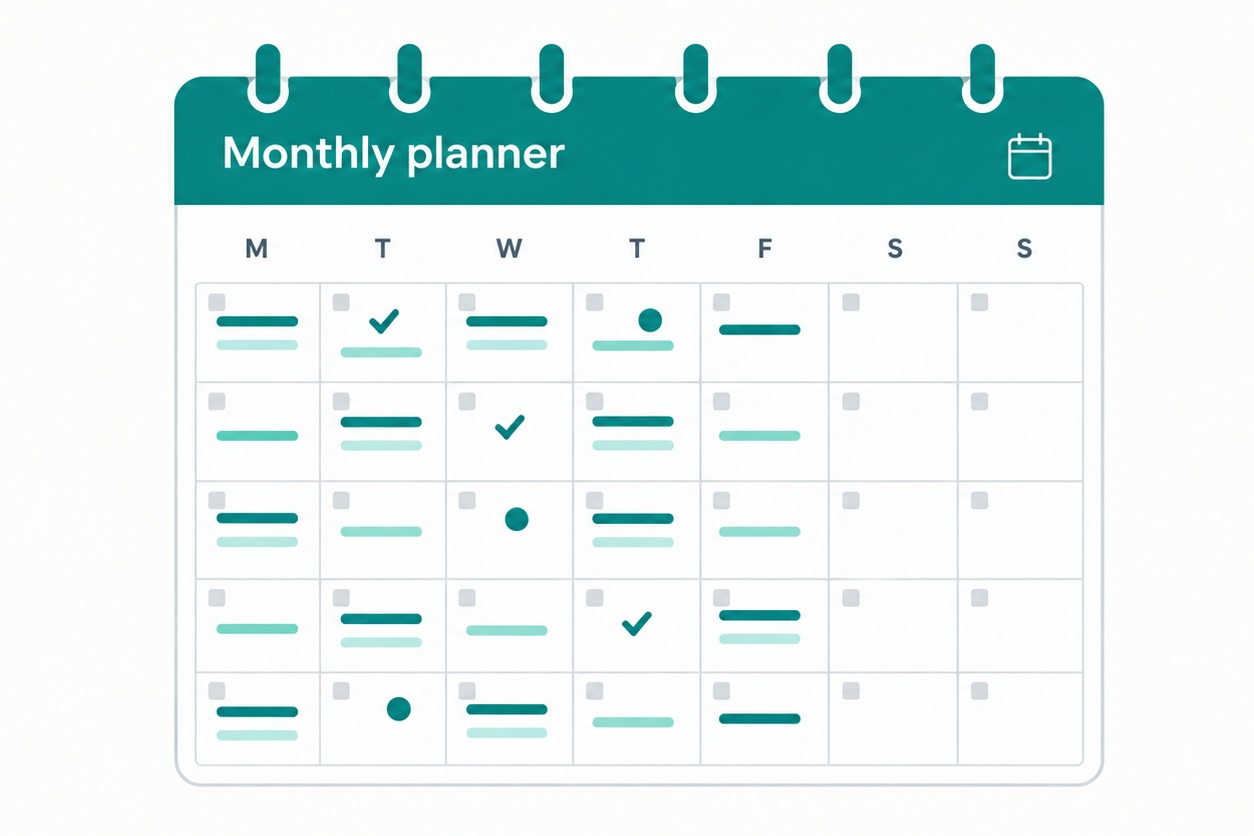
When administrative office deadlines are visible to everyone on the team, not just those directly involved, three things happen: Stress decreases as urgent matters are minimised or eliminated, and tasks can be managed in good time rather than arriving as last-minute surprises.
Coordination improves because those responsible for providing documents, data or information know what is required in advance and can plan accordingly.
The environment becomes more open to listening. This is perhaps the least obvious benefit, yet the most important. An administrative office that is not constantly in 'crisis mode' has the mental capacity and time to listen to colleagues' requests, understand their needs and provide helpful responses. An office that is always rushing lacks this capacity, regardless of people's good intentions.
The result is greater collaboration and added value. Combining people who are more aware of the business context with a calendar that makes priorities visible yields a tangible result in daily operations: better collaboration with operational functions — the teams focused on generating revenue and profit.
This is not a vague outcome. It manifests as more effective meetings, timely information delivery, problems resolved before they incur costs and decisions based on more comprehensive data.
The administrative function does not change its role; rather, it expands it. While it continues to oversee deadlines and data accuracy, it also serves as a point of reference for the entire organisation, not just for those who need to sign a document.
One piece, one system. This content is one of the Rubik's Cube pieces dedicated to the 'Administration' face — the one focused on organising the function to free up time and create value. As with every piece, the goal is not to add complexity, but to remove friction, making office work smoother and better connected to the rest of the company to enable growth.
Do you already have a shared calendar for your administrative office's deadlines? Follow us on LinkedIn or subscribe to the Kenning Consulting blog to continue building the system, one piece at a time.